
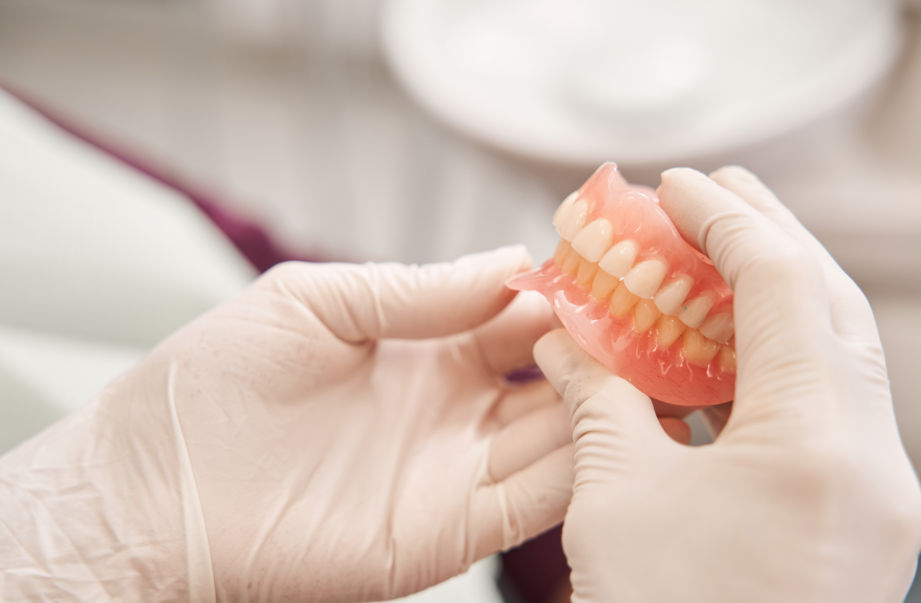
Dentures can restore your smile, make eating easier, and help you feel more confident. However, they need to fit properly to provide these benefits. When dentures slip, rub, or cause discomfort, they may be doing more than making daily activities frustrating. Ill-fitting dentures can also affect your oral health. Here are five complications to watch for and why having uncomfortable dentures examined by your dentist is so important.
1. Gum Irritation and Sores
Dentures that do not fit correctly can rub against your gums, cheeks, or the roof of your mouth. This repeated friction may cause redness, tenderness, and painful sores. Even small areas of irritation can make eating and speaking uncomfortable.
If your dentures consistently rub against the same areas, do not simply try to tolerate the discomfort. Your dentist can examine your mouth and determine whether your dentures need an adjustment or replacement.
2. Difficulty Eating and Speaking
Properly fitting dentures should help you enjoy a variety of foods and communicate comfortably. However, loose or poorly fitting dentures may shift while you chew or talk. This can make eating certain foods difficult and may affect your speech.
Some people begin avoiding crunchy, chewy, or firmer foods because they are worried about their dentures moving. Over time, this may limit food choices and make it harder to maintain a balanced diet. Adjusting the fit can help restore comfort and confidence.
3. Increased Risk of Infections
Ill-fitting dentures can create spaces where food particles and bacteria collect. If dentures are not cleaned properly or the underlying tissues become irritated, the risk of oral infections may increase.
One possible concern is denture stomatitis, an inflammation of the tissues beneath a denture that may be associated with an overgrowth of yeast. Symptoms can include redness, soreness, and discomfort. Cleaning your dentures, maintaining good oral hygiene, and having your dentist evaluate persistent irritation can help protect your mouth.
4. Changes to Your Bite and Jaw Comfort
Dentures that do not fit properly may affect how your upper and lower teeth come together. This can make chewing less efficient and may place additional strain on the muscles and joints involved in jaw movement.
Some people experience jaw soreness, facial discomfort, or clicking when their dentures interfere with a comfortable bite. Although these symptoms can have several causes, an improper denture fit may contribute to the problem and should be evaluated.
5. Accelerated Bone Loss and Changes in Fit
After tooth loss, the bone supporting the former tooth roots naturally begins to change. Over time, this can alter the shape of your gums and the tissues supporting your dentures.
As these changes occur, dentures that once fit comfortably may become loose or unstable. Continuing to wear poorly fitting dentures may increase irritation and make everyday activities more difficult. Regular dental examinations can help identify changes early and determine whether relining, adjusting, or replacing your dentures is appropriate.
Protect Your Oral Health
If your dentures feel uncomfortable, slip frequently, or cause persistent sores, schedule an examination rather than ignoring the problem. A proper evaluation can help identify the cause and keep your smile comfortable.
About the Practice
Dr. Hunt and Dr. Helms provide dental care focused on helping patients maintain healthy, comfortable smiles. The practice offers denture services to help patients address tooth loss and improve daily oral function. For more information about denture options or to schedule an examination, visit the practice’s denture services page.
Call us at (919) 787-8243 or schedule your appointment online